 2 months ago
60
2 months ago
60
President Trump has backed down from his threat to wipe out Iran's civilization and bomb its power plants by Tuesday night. Online, he said he agreed to suspend the bombing of Iran for two weeks.
AILSA CHANG, HOST:
President Trump has backed down from his threat to annihilate Iran's civilization. Instead, he posted online that he has now agreed to suspend the bombing of Iran for two weeks. He says this is, quote, "a double-sided ceasefire." And Iran appears to have agreed. For more, we're joined now by NPR international correspondent Aya Batrawy in Dubai. Hi, Aya.
AYA BATRAWY, BYLINE: Hi, Ailsa.
CHANG: OK, tell us more about what President Trump said about this ceasefire.
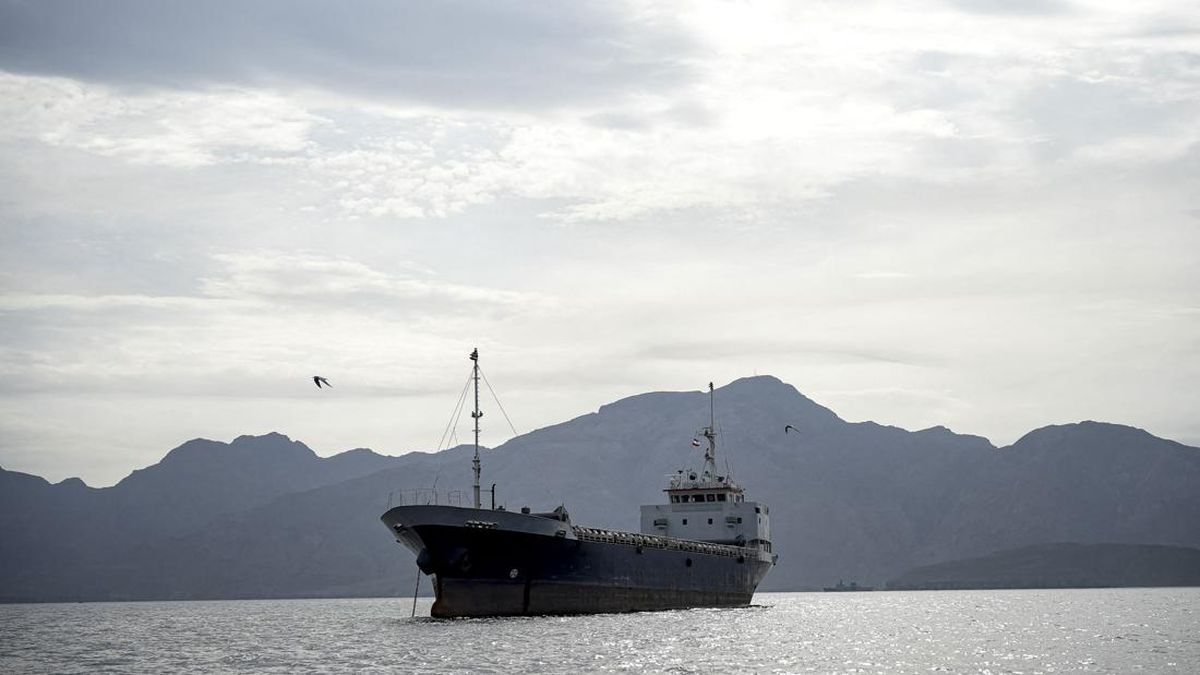
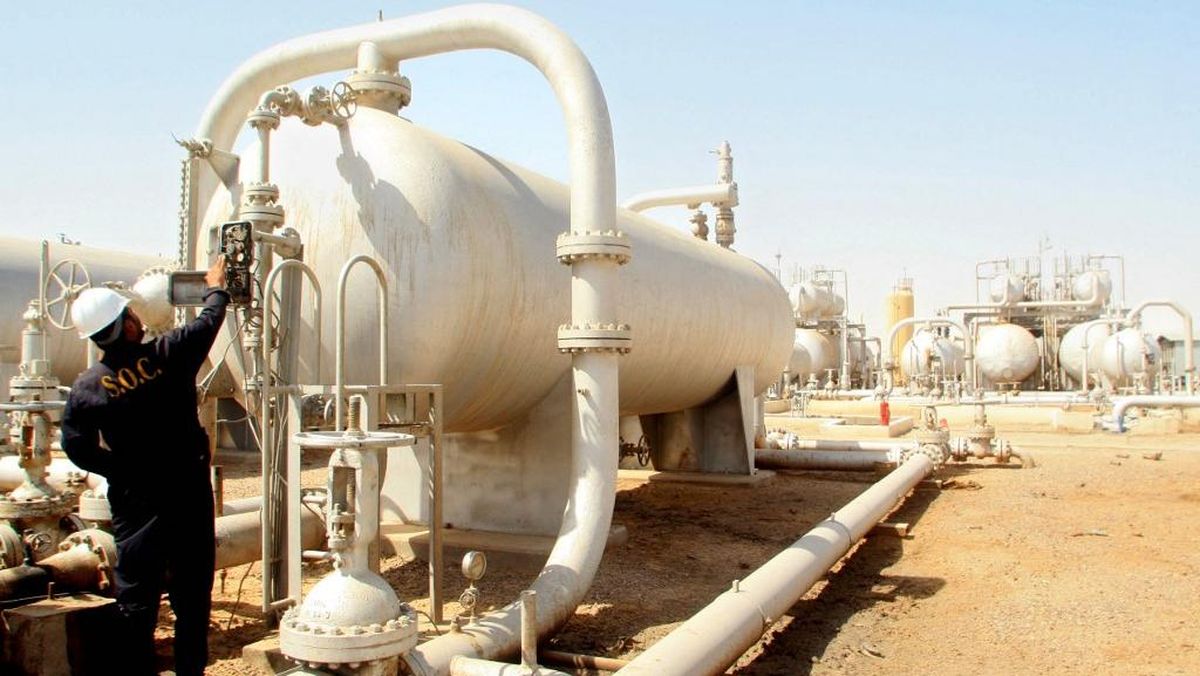
BATRAWY: OK, so just about 90 minutes before his deadline was to come into effect, he announced on Truth Social that he would hold off on what he said was the, quote, "destructive force" being sent to Iran. He said he agreed to suspend bombing and attacking Iran for two weeks and that this was subject to Iran agreeing to what he says was the complete, immediate and safe opening of the Strait of Hormuz. That's that narrow waterway through which before this war 20% of the world's oil was flowing through.
Now, he called this a double-sided ceasefire. And he said that all military objectives had been met, but he cautioned that the two sides are still very far apart from any kind of definitive agreement or a long-term peace. Still, he said Iran's response to a U.S. proposal provided something to work with and to negotiate on. And so to be clear, he has backed down from his threat, a threat that had been criticized widely by even members of Congress who said these were war crimes, obviously, people in Iran who - today many were forming human chains around these power plants, and even the American pope, who said it would be, quote, "truly unacceptable."
CHANG: Well, what about Iran's response here? Like, what have leaders there said so far?
BATRAWY: OK, so Iran's foreign minister, Abbas Araghchi, wrote in a post on X that if attacks on Iran are halted, Iran would cease its attacks, which he called defensive. So this came out after Trump's announcement. And crucially, regarding the Strait of Hormuz, this is what he said. He said that for two weeks, the safe passage will be possible. But he said it would be in coordination with Iran's armed forces, and he said, quote, "with due consideration to technical limitations." So that leaves open the possibility that we will see more ships going through the strait. At current, there's only maybe six a day, two a day depending. But now, it's clear that this strait is under Iran's control. The comment on technical limitations suggests to me the number may not be at the level of ships per day that were transiting freely before this war began.
And also, we heard from Iran's Supreme National Security Council that the government would negotiate with the U.S. this Friday in Pakistan's capital, Islamabad. And like Trump, they too said, this doesn't mean an end to the war, and they noted that they are entering these talks with complete distrust.
CHANG: Still, what a development. I mean, it's been so tense today, Aya. Any more that you can tell us about how this two-week ceasefire deal even came about?
BATRAWY: Right. This was round-the-clock efforts by primarily three countries - Pakistan, Egypt and Turkey. They've been working behind the scenes for weeks now to try to get a deal in place. Pakistan had announced just a few hours ago that it had a two-week proposal on the table for the U.S. and Iran and was pushing for that. Iran says Pakistan will host those talks, like I said, and Trump and Iran in their statements both mentioned Pakistan as a key broker here. But also Egypt and Turkey were playing roles. We know Iran has also close ties with China, which at one point had also proposed, you know, a ceasefire for opening the Strait of Hormuz. You know, China relies heavily on Gulf oil. There was massive global pressure building up here for this war to end.
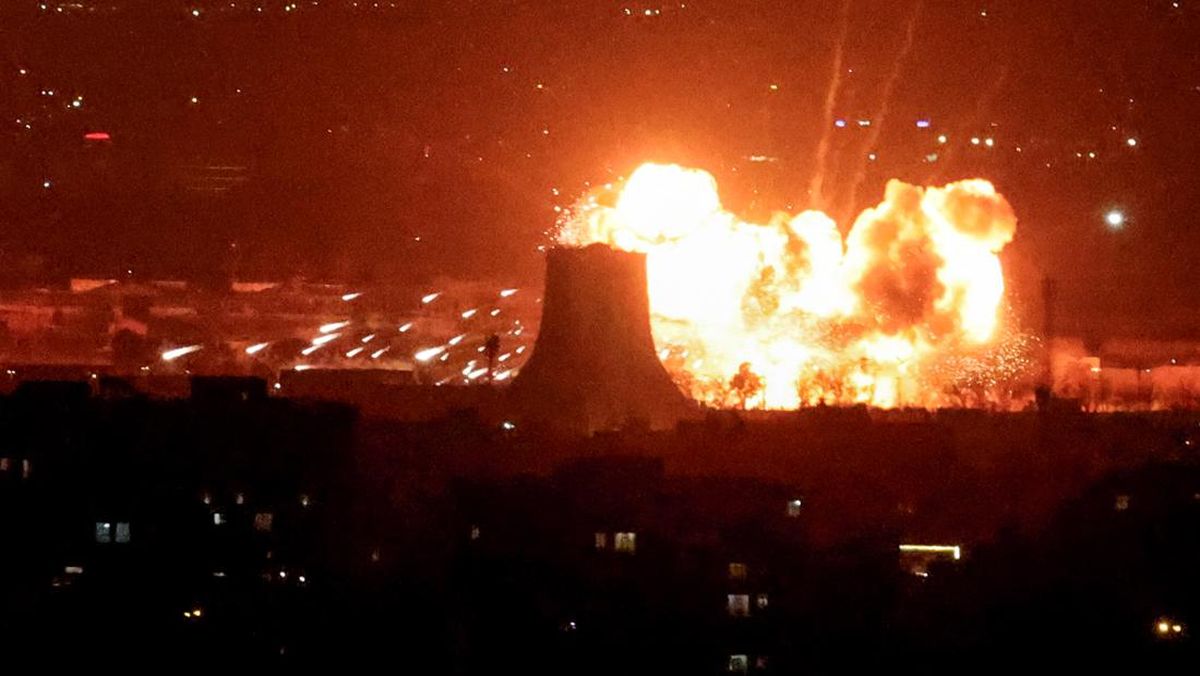
And there were these 11th-hour attacks on petrochemical plants and other vital infrastructure in Iran. Also, petrochemical plants and oil fields are burning across Gulf Arab states. So what we know is that Egypt also had a role. They've been playing a role before. We saw them mediating in Gaza. But, you know, this two-week ceasefire, Ailsa, if it holds, it will help ease pressure on those global markets, maybe bring down the price of oil and gas for some time. But again, it is really not clear that this war is actually over. We are far from that point, still.
CHANG: That is NPR's Aya Batrawy in Dubai. Thank you, Aya.
BATRAWY: Thanks, Ailsa.
Copyright © 2026 NPR. All rights reserved. Visit our website terms of use and permissions pages at www.npr.org for further information.
Accuracy and availability of NPR transcripts may vary. Transcript text may be revised to correct errors or match updates to audio. Audio on npr.org may be edited after its original broadcast or publication. The authoritative record of NPR’s programming is the audio record.