 3 months ago
58
3 months ago
58
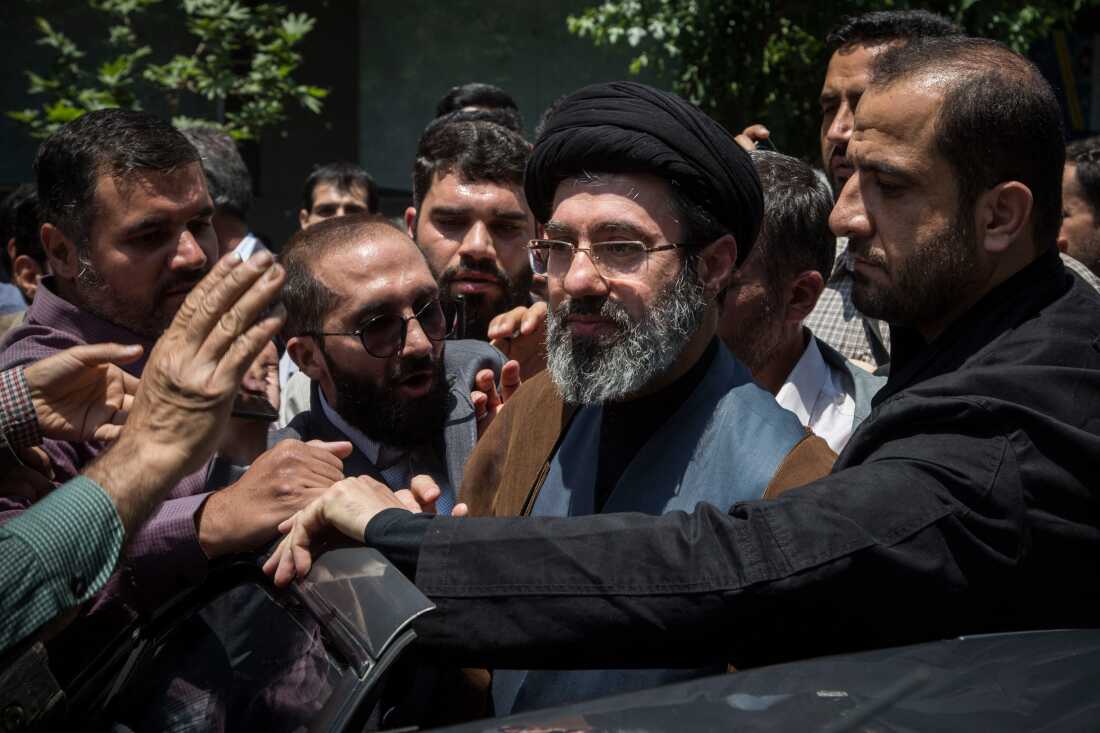
Mojtaba Khamenei (center), the son of the killed Ayatollah Ali Khamenei, participates in the annual Quds Day rally in Tehran, Iran, on May 31, 2019. (Photo by Rouzbeh Fouladi / Middle East Images / AFP via Getty Images) Rouzbeh Fouladi/Middle East Images/AFP via Getty Images hide caption
toggle caption
Rouzbeh Fouladi/Middle East Images/AFP via Getty Images
Iran's state media issued what it said was a statement by Iranian Supreme Leader Mojtaba Khamenei, vowing to keep the Strait of Hormuz closed and keep up attacks on U.S. bases in the region, as the U.S.-Israeli war with Iran entered its 13th day.
It was purported to be the new leader's first statement since he succeeded his father Ayatollah Ali Khamenei, who was killed in an Israeli strike on the first day of the war.
The statement said Iran will avenge the blood of its "martyrs," including the victims of a March 1 attack on a girls school in the city of Minab, which Iranian officials say killed at least 165 people, many of them children. NPR has confirmed the U.S. military is investigating how it could have targeted the school.

The Iranian statement said the Strait of Hormuz, a key shipping route for a fifth of the world's oil supply, should remain closed. It said Iran continues to believe in friendship with its neighbors but will continue targeting U.S. bases in the region.
"The lever of blocking the Strait of Hormuz must undoubtedly continue to be used.," the statement said, according to an English version published by Tasnim News Agency, run by the Iranian Revolutionary Guard.
It's unclear if the statement was from Mojtaba Khamenei himself. Another person was heard reading out the remarks on Iranian state media, with a photo of Khamenei posted on the TV screen, as it was broadcast around the world.
There's been speculation about the leader's current condition and whereabouts. An Israeli official, speaking on condition of anonymity because they weren't authorized to speak publicly, told NPR that Khamenei was lightly injured early in the war.
This is a developing story that will be updated.
Here are other major updates about the conflict.
To jump to specific areas of coverage, use the links below:
Attacks on vessels | Oil stockpiles | Strikes across the Gulf | Israel-Hezbollah escalation | Iranian school attack
Two oil tankers hit in Iraqi waters
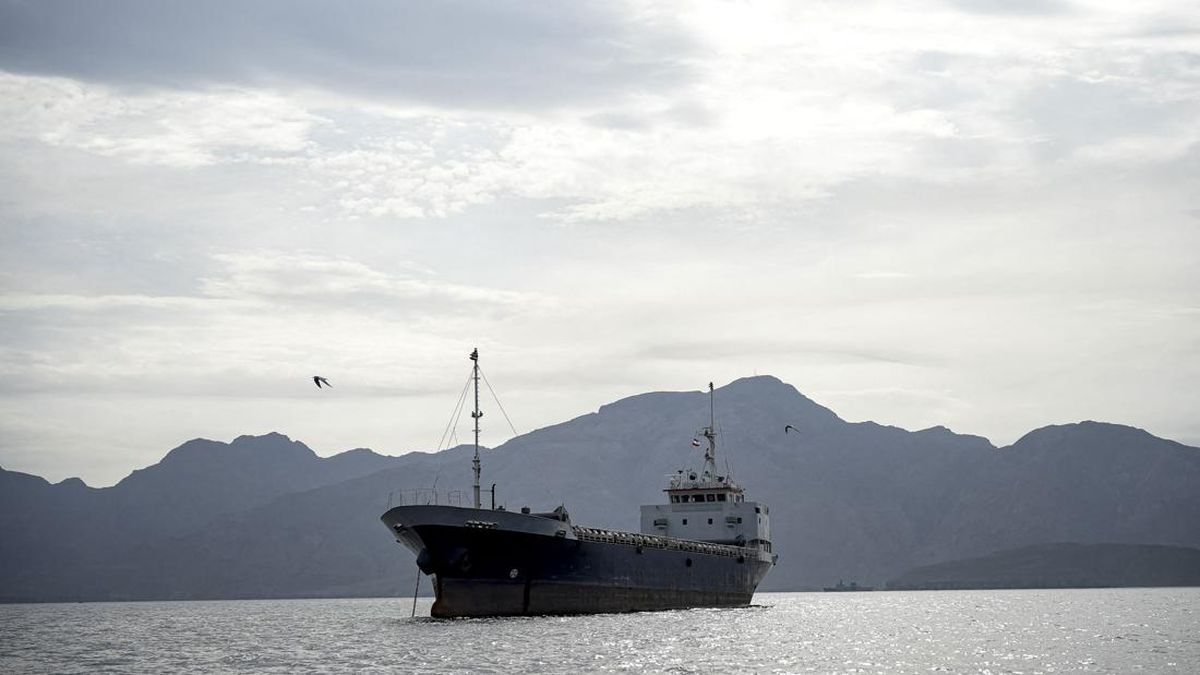
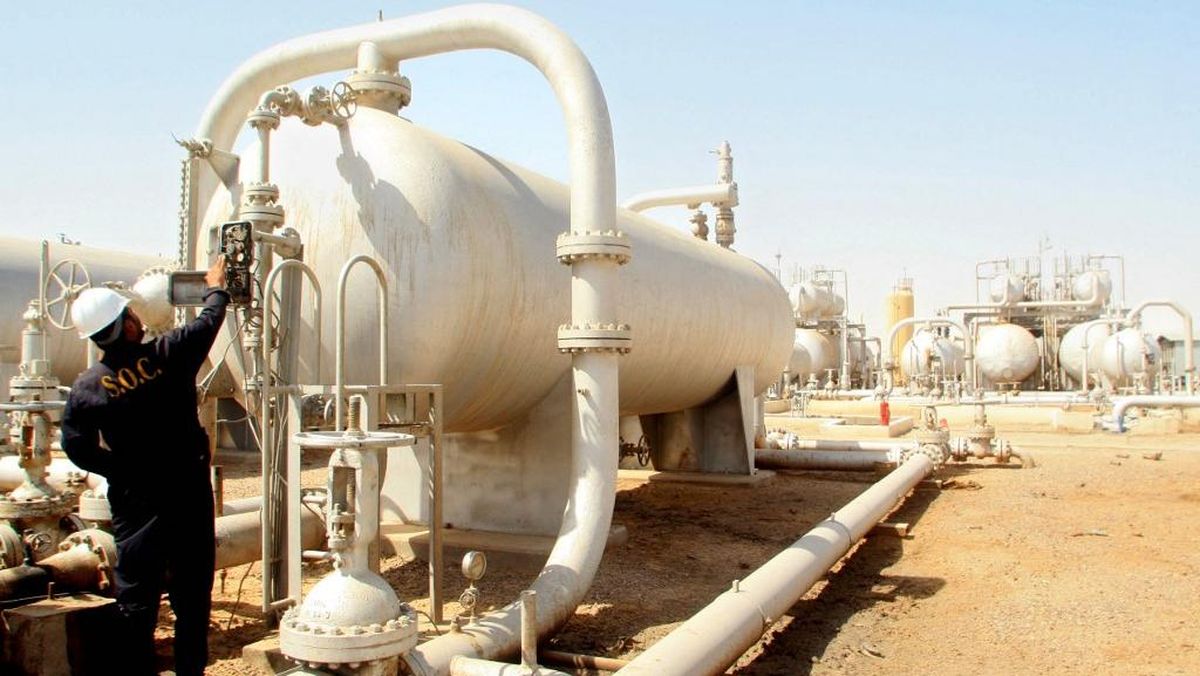
Two oil tankers were hit in Iraqi territorial waters near the southern port area of Basra, Iraqi officials said Thursday. It is the first oil-related strike reported in Iraq's waters during more than a week of war, in another sign of the conflict's escalation.
Iran, a critical ally of Iraq, took responsibility for attacking one of the tankers, which it said was owned by the U.S.
A port official said the attack targeted vessels near Basra's port approaches, and Iraq's security spokesman described it as sabotage.
Iraqi officials said one person was killed, and 38 crew members were rescued, with search operations continuing.
Iran has stepped up attacks on energy infrastructure and commercial shipping in response to U.S. and Israeli strikes, warning that the world should brace for oil prices to double.
— Jane Arraf
U.S. and allies to release record oil stockpiles
The U.S. confirmed it will release 172 million barrels of oil from the Strategic Petroleum Reserve as part of a coordinated International Energy Agency (IEA) release of 400 million barrels from emergency stockpiles.
The U.S. contribution amounts to roughly 40% of the total, to be released gradually over about four months.
The IEA's executive director, Fatih Birol, said the goal is to keep the supply of oil flowing as the conflict disrupts shipping routes and energy infrastructure. But analysts warn stockpile releases can only partially offset prolonged disruption in the Gulf, where roughly a fifth of global oil consumption normally transits the Strait of Hormuz.
On Wednesday, President Trump said the price spike is temporary and said the reserve release would push prices down.
According to the popular app Gas Buddy, the current average cost of regular unleaded is now up to $3.61 a gallon.
- Camila Domonoske
Iran continues attacks on Gulf States
Countries in the Gulf reported new incoming threats and interceptions Thursday, as Iran continued firing drones and missiles across the region – including at U.S. military bases.
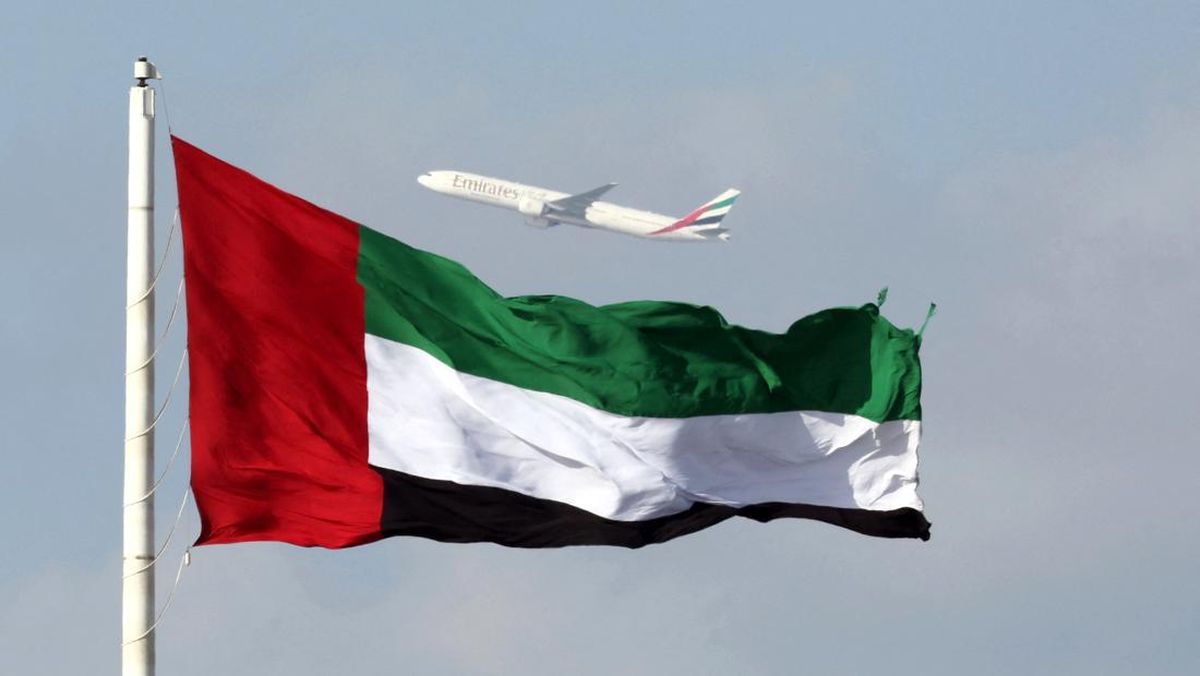
The UAE's defense ministry said air defenses were responding to Iranian missile and drone attacks, and that sounds heard in parts of the country were from intercepts.
Kuwait's defense ministry said its air defenses intercepted ballistic missiles and drones that penetrated the northern and southern parts of the country's airspace.
Saudi Arabia said it intercepted and destroyed drones headed toward the Shaybah oil field.
The United Nations Security Council adopted a resolution on Wednesday condemning Iran for recent attacks across the Persian Gulf region, calling them a "breach of international law" and "a serious threat to international peace and security."
- Rebecca Rosman
Israel launches large strikes on Hezbollah sites in Beirut after rocket fire into Israel
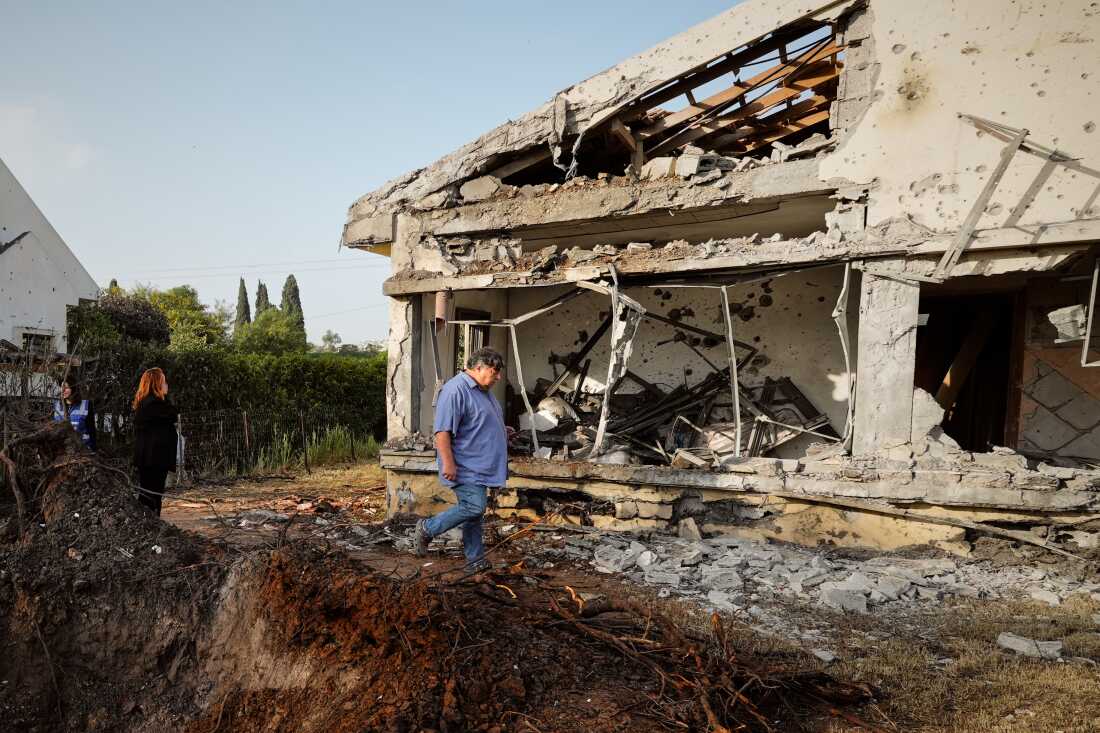
People inspect homes damaged by a projectile launched from Lebanon, in Haniel central Israel, on Thursday. Baz Ratner/AP hide caption
toggle caption
Baz Ratner/AP
The militant group Hezbollah launched its biggest rocket attack against Israel since the start of the war with Iran. The Israeli military said the Iranian-backed group fired heavy volleys toward northern Israel overnight into Thursday, triggering interceptions and sending residents repeatedly into shelters.
The Israeli military responded by launching more attacks against what it said were Hezbollah launch sites and command infrastructure.
Huge booms were heard across the capital and large black smoke billowed from the Dahieh neighborhood in south Beirut, while an attack in central Beirut – where thousands of people are displaced – killed 8 people and injured 31, according to Lebanese officials.
Wide evacuation orders for south Lebanon and Beirut's southern suburbs have displaced at least 800,000 people so far, according to the Lebanese government.
Lebanon, which does not have diplomatic ties with Israel, has unusually called for direct talks with Israel to end the escalating fighting with Hezbollah. Israel has not officially responded.
Israeli strikes on Iran have continued, with Iran firing missiles at Israel intermittently, including overnight.
Israeli military officials say about half of the missiles Iran has launched at Israel have carried cluster warheads, which spread out into smaller bombs over a wider area – increasing the risk to civilians.
- Daniel Estrin, Hadeel Al-Shalchi and Rebecca Rosman
Pentagon: Preliminary assessment suggests U.S. likely responsible for strike on Iranian school
The Pentagon has opened a formal investigation into the missile strike on an Iranian girls school that killed at least 165 civilians, many of them children, after a preliminary assessment suggested the U.S. was at fault, according to a U.S. official who was not authorized to speak publicly. The investigation is expected to take months and will include interviews with all those involved, from planners and commanders to those who carried out the strike.
If a U.S. role in the attack is confirmed, it would rank among the military's most deadly incidents involving civilians in decades. Congress created a special Pentagon office to prevent the accidental targeting of civilians but it was dramatically scaled back by Secretary of Defense Pete Hegseth soon after he took office last year.
"This investigation is ongoing. As we have said, unlike the terrorist Iranian regime, the United States does not target civilians," said White House spokesperson Anna Kelly.
The Pentagon did not respond to a request for comment.
NPR previously reported — based on commercial satellite imagery and independent expert analysis — that the strike was more extensive than initially reported and appeared consistent with a precision strike on a nearby military complex, raising questions about whether outdated targeting information contributed to the tragedy.
- Tom Bowman, Kat Lonsdorf, Geoff Brumfiel
Rebecca Rosman contributed to this report from Paris, Jane Arraf from Erbil, Iraq, Hadeel Al-Shalchi from Beirut, Daniel Estrin from Tel Aviv and Camila Domonoske, Tom Bowman, Kat Lonsdorf and Geoff Brumfiel from Washington.