 1 month ago
47
1 month ago
47

A man closes the door of a shop in Cairo, Egypt, to comply with the government's order for businesses to shut down nightly at 9 p.m. Ahmed Gomaa/Xinhua News Agency/via Getty Images hide caption
toggle caption
Ahmed Gomaa/Xinhua News Agency/via Getty Images
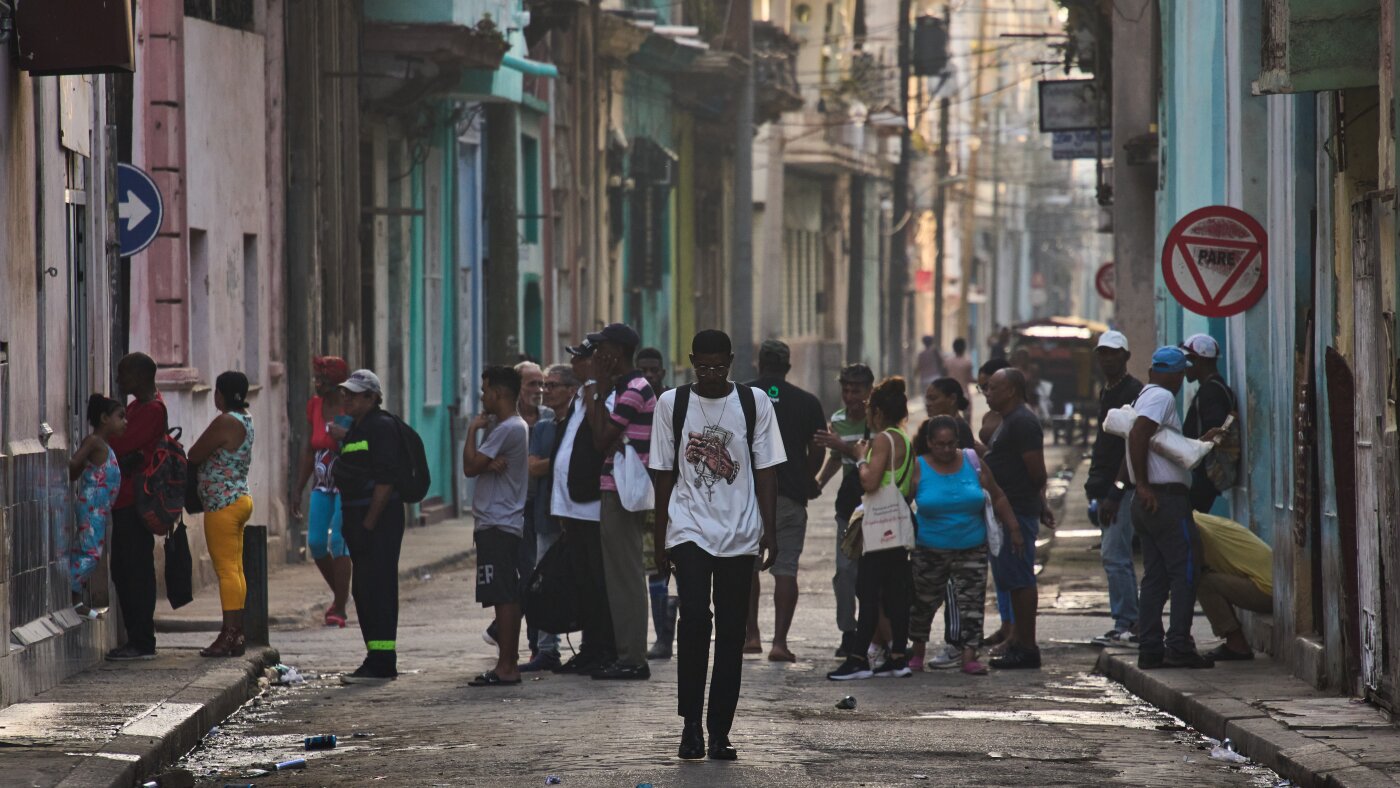
In Cairo, streets come alive in the evening as many people go out to shake off the stress of the day, or shop after a long day of work.
These days, however, the megalopolis is quiet and dark.
The government has ordered all businesses, including cafes, shops and restaurants, to close at 9 p.m. in an effort to conserve energy. Streetlights are also turned off.
"Maybe for the states or for Europe 9 p.m. is not bad, but in Egypt usually we stay out until midnight or even after midnight. So this was a big shock for lots of people," says Ahmed Kamaly, professor of economics at the American University in Cairo.
The measure has led to unemployment and income loss for thousands of people, Kamaly says, as businesses can no longer operate during those lucrative hours.
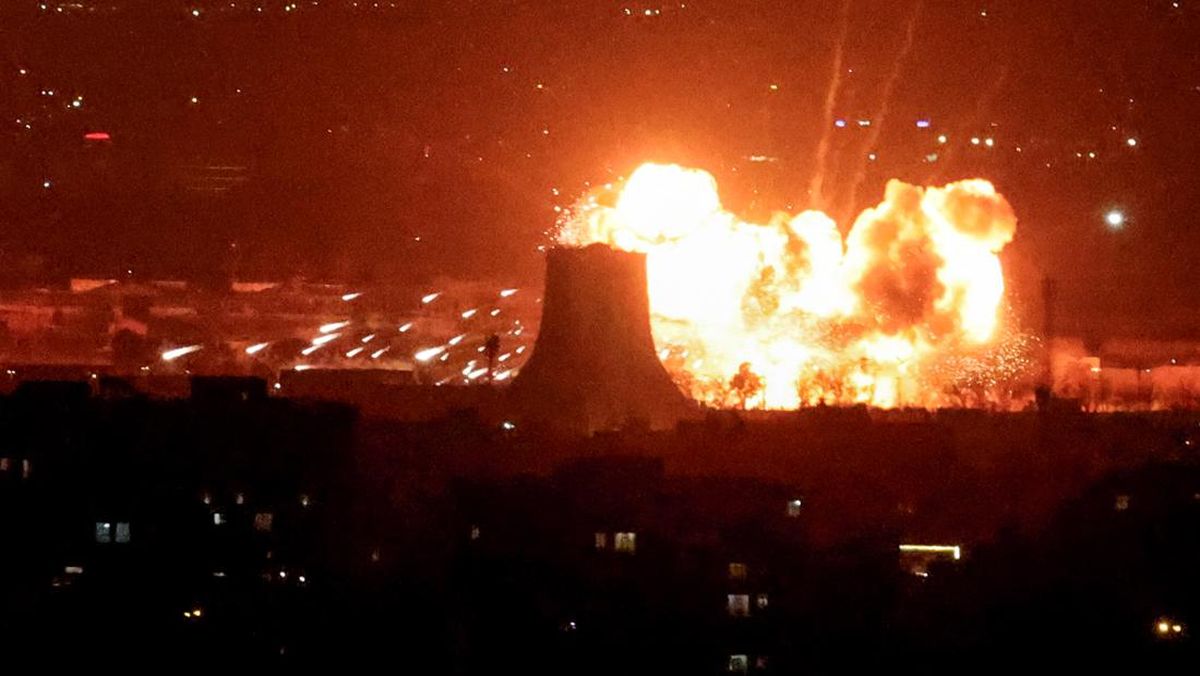
It's part of the far-reaching consequences of the now eight-week-old war in Iran in the countries of the Global South — notably in Africa and Asia because of their dependence on imports from the region. In many countries, daily life has not been the same since the war began.
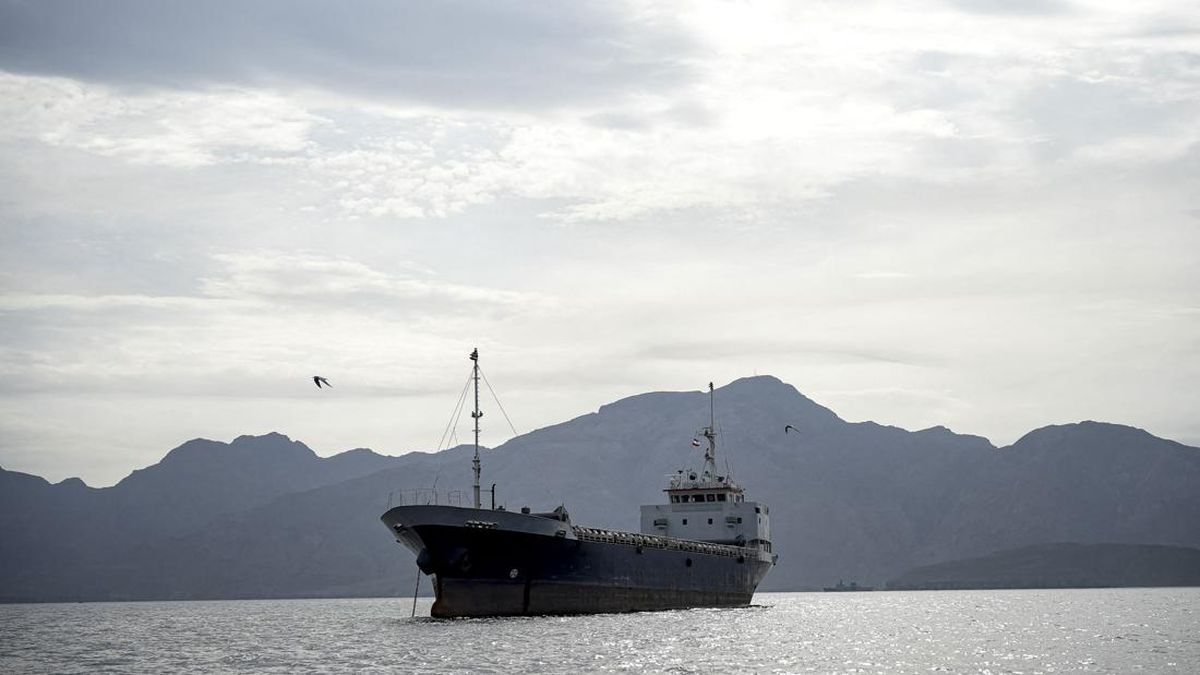
Shipments of oil and gas, fertilizer, food, medicines and more have been severely hampered by the blockade in the Strait of Hormuz, a key waterway for international trade.
The impacts go beyond imports. Many households in Africa and Asia depend on remittances from relatives who work in the Gulf and send money home, but the war has caused serious economic disruption across the region, leading to fewer job opportunities.
Across the global south currencies are depreciating, inflation has spiked, and unemployment is rising.
"There are so many things that are going to go south anyway because of this war," he says.
Transport troubles in Africa
Over in Kenya, Steven Were Omamo shares the same concern. He's the Africa director of Africa for The International Food Policy Institute in Nairobi.
Omamo says this kind of energy shock caused by the war moves very quickly through three channels, eventually hitting household budgets everywhere.
"The first is, you know, fuel prices, of course, and then link to that, transport costs, and then ultimately, to food prices," Omamo says.
Already, across Africa travel by car, bus or plane has become more expensive and less reliable, he says. And fear of shortages have led to panic.
"I personally went out and bought more fuel and stored it at my farm. And I know others have done that, knowing that fuel shortages were coming, and they have indeed come," he says.
Apprehension in Asia
Across Southeast Asia, a cloud of apprehension also looms, according to Thitinan Pongsudhirak, director of the Institute of Security and International Studies in Bangkok.
"The anxiety … the stress …. Every day you wake up to the news, the latest from President Trump or the war in Iran, so the stress of it hangs over people," Pongsudhirak says.
In Thailand, people have been told to work from home and use stairs instead of elevators to conserve energy. For many, he says, the moment harkens back to the pandemic days.
"The energy crisis works its way into everything. And we don't have the mechanisms to alleviate [it]," he says.
Then there's the knock-on effect for even lower income countries. For example, Thailand gets its oil from the Gulf, then sells some supplies to others in the region.
"Laos relies a lot on petrol bought from Thailand, but there's a lot of pressure in Thailand to keep it for Thailand. So, Laos is in a precarious position," Pongsudhirak says.
For Omamo, however, the biggest concern is the looming food crisis.
Fertilizer shortages have crippled major global rice producers in the Philippines and Vietnam, causing farmers to plant less. The U.N.'s World Food Programme estimates that 45 million people across the world will fall into acute food insecurity if the conflict persists.
Adding to insecurity in Somalia
Another country that's particularly vulnerable is Somalia, according to Shukri Abdulkadir of the International Rescue Committee.
The country is beset by instability, attacks by terrorists have displaced millions of people. And there have been droughts since 2022.
"Food security is actually becoming a more serious situation," says Abdulkadir. "We're almost nearing two years that we haven't had good rains, and farmers are having difficulties keeping their harvest alive."
Shortages due to the war are exacerbating the food insecurity, she says.
"We've been keeping an eye on the top five products that people tend to buy, which includes rice, flour, cooking oil, sugar and powdered milk. And that all usually comes from Dubai," Abdulkadir says. Those shipments have been interrupted by the Strait of Hormuz blockade.
The longer the war goes on, the worse it will get for these countries and many others, says Mirette Mabrouk, an expert on economic development at the Middle East Institute, a Washington think tank.
Even if there's a peace deal today, "that doesn't mean things are going to be all right tomorrow," Mabrouk says.
"At this rate, we're looking at almost a year of damage, of raised energy prices the world over. It is already a morass."
Many households are already poorer, she says, and it'll take a long time for prices to drop and for food and fuel shipments to get back to pre-war levels, because of the damage to energy infrastructure in the Gulf.